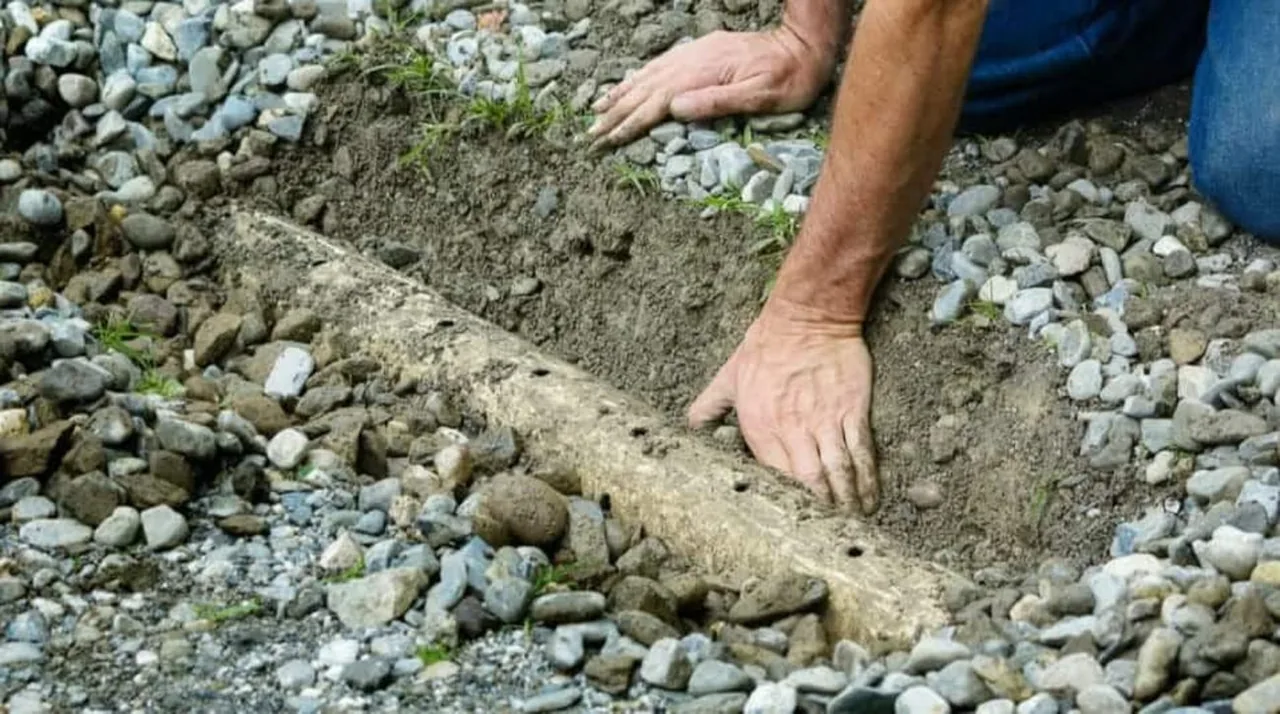
Trenching
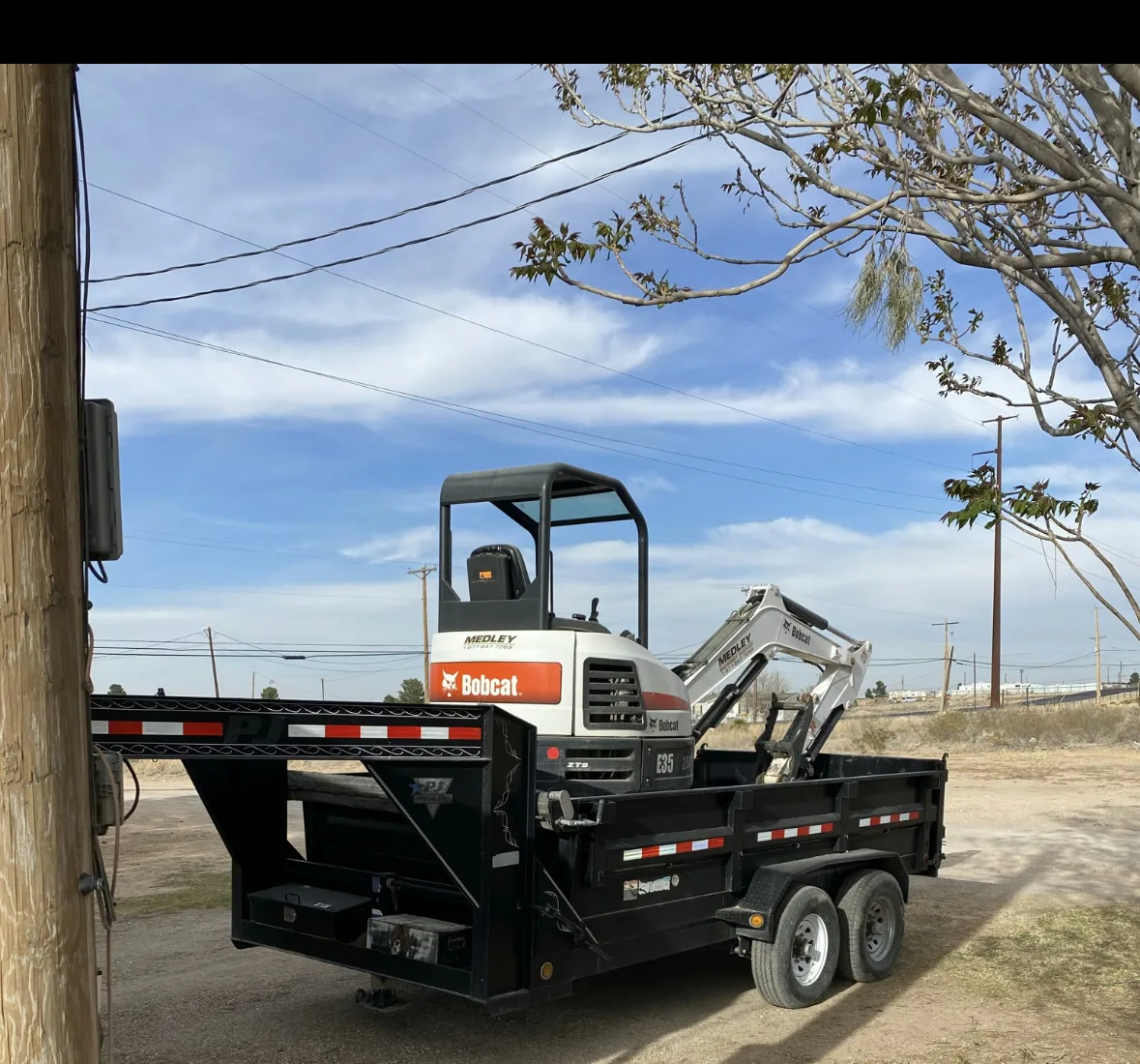
Water lines, power runs and drainage — trenches dug clean to depth with the mini excavator, then backfilled so the line stays protected.
French drain installation and yard drainage in Duncan, OK start with a look at where the water goes. Most ground here is tight clay, so rain runs off fast and ponds in the low spots. We dig the trench, set perforated pipe in washed gravel, and wrap the whole thing in filter fabric. The line gets a steady fall to a daylight outlet so it keeps draining after the rain stops. When a drain is not the fix, we cut a swale or reshape the grade instead.
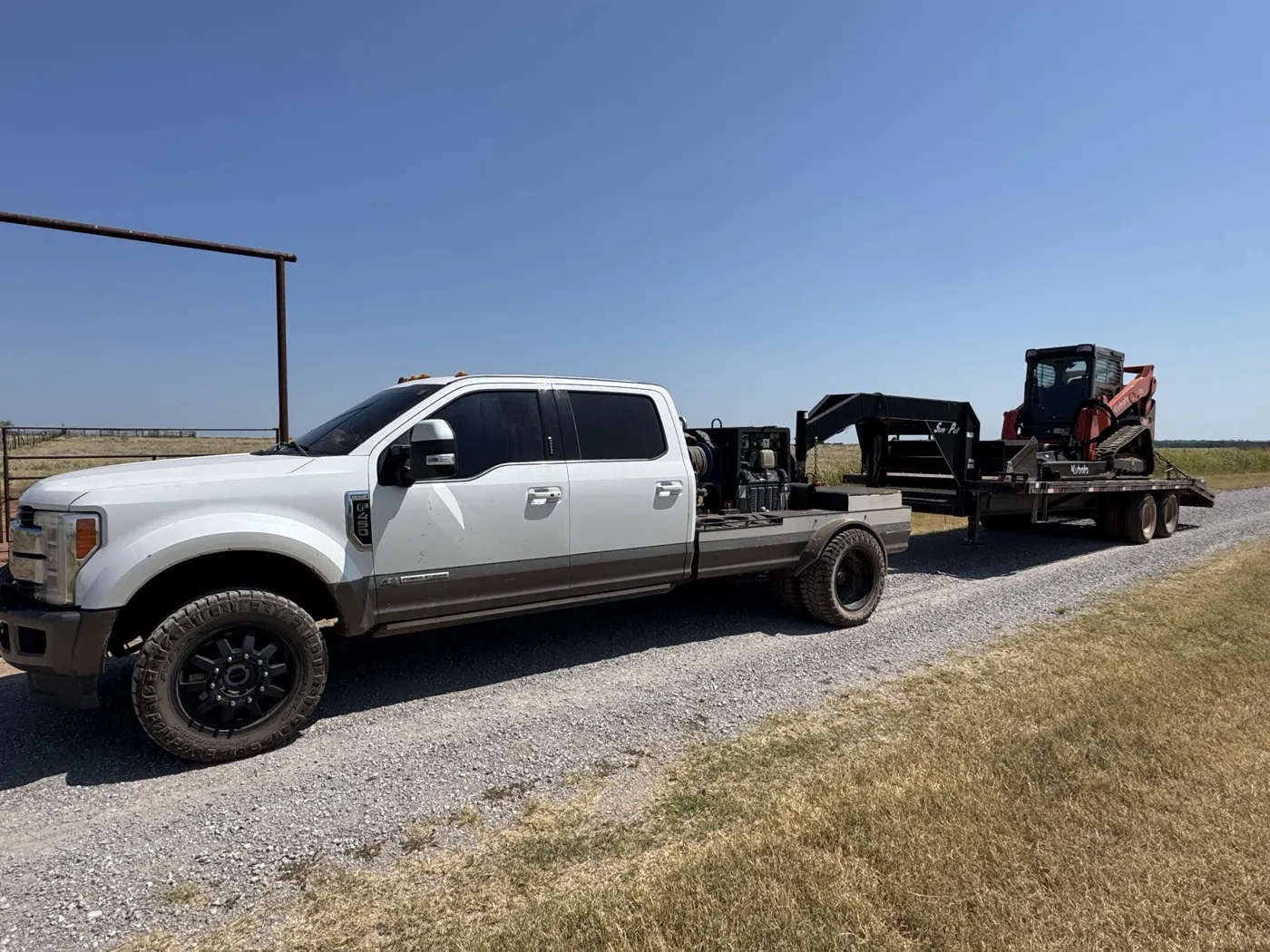
Water problems rarely stay in one place. A drive that washes out each spring needs a ditch and a culvert, which pairs with our gravel driveway work. A yard that holds water after a rain often needs the ground reshaped, which is dirt work and grading. Long pipe runs use the same machines as our utility trench digging. The gooseneck trailer hauls off the spoil or spreads it where you want it. We look at all of it in one visit and quote it together.
Tell us about your project — we’ll get right back to you.
The ground under most of Stephens County is claypan. The 1964 USDA soil survey of the county calls the Kirkland and Renfrow soils claypan soils. Their subsoil is compact blocky clay that is very slowly permeable. The survey says these soils take water readily until the surface saturates. After that the intake slows and runoff turns rapid during heavy rains. The NRCS series description for Renfrow puts the clay at 35 to 55 percent. So a yard can shed rain for ten minutes and then hold water for two days.
Rain here arrives in bursts. Oklahoma Climatological Survey records for the Duncan station show May as the wettest month. It averages 5.15 inches, with June close behind at 4.56 inches. The station's largest one-day rainfall was 9.85 inches on May 19, 1955. In April 2025 the Oklahoma Mesonet logged 19.63 inches at Duncan. That was the wettest calendar month on record for the site. We work the same soils and the same problems in Marlow, Comanche and Velma.
A French drain is a trench, a perforated pipe, washed gravel and a filter. We dig the trench with the mini excavator and hold a steady fall the whole way. USDA NRCS practice standard 606 calls for a minimum three inch pipe. It also wants at least two feet of cover in mineral soils. The same standard says filter material must cover every pipe opening by at least three inches. Standard 606 flags a filter as needed where soils are dispersed clays or crack when they dry out.
Every drain needs somewhere to go. The Oklahoma Plumbing Code calls for subsoil drains of at least four inches. They discharge to a trapped area drain, a sump, a dry well or an approved spot above ground. We daylight the line at a lower point, or run it to a dry well when fall runs out. We never tie a drain into a sewer or septic line. Interior basement systems and irrigation sit outside what we do. The digging here overlaps our excavating work.
A culvert carries the ditch under your drive instead of across it. Size matters more than most people expect. The University of Wisconsin transportation bulletin on culverts recommends a 24 inch minimum diameter under public roadways. It notes a 30 inch pipe carries about 50 percent more water than a 24 inch pipe. The same bulletin calls for at least 12 inches of cover over the pipe. It also says the grade has to match the flow line of the ditch on both ends.
Permits depend on whose road you are touching. Oklahoma law at Title 69 Section 1210 covers state and federal highway right of way. No culvert or driveway goes in there without Transportation Commission approval. County road approaches run through the county commissioners, and at least one Oklahoma county charges $5,000 for a crossing put in without a permit. Inside city limits, Duncan Public Works issues a driveway permit and publishes driveway standards. We tell you which one applies when we come out. You can request a free on-site quote and we will look at the ditch line with you.
Start at the house. Residential code section R401.3 says the grade must fall at least 6 inches within the first 10 feet. Where lot lines, walls or slopes make that impossible, the code calls for drains or swales instead. It also wants hard surfaces within 10 feet sloped at least 2 percent away from the building. Most water against a foundation in Duncan comes down to grade. Fixing the fall often costs less than burying pipe around the whole house.
A swale is a shallow shaped channel that carries water across a yard on the surface. On tight clay it often beats a buried drain, because the water never has to soak in. We cut swales with the track loader and box the surface smooth. When the fix is mostly dirt, our guide to what grading and dirt work cost in Oklahoma gives a range. Big regrades that want a dozer and a pan are past our equipment. We will say so at the quote.
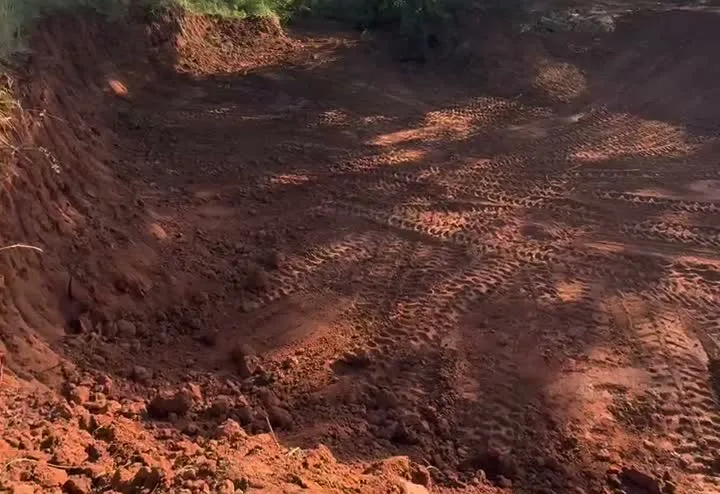
Free, no-obligation estimates across Duncan & Southwest Oklahoma.
(580) 475-7413From the first walk of the property to the last pass of the grade, here is exactly how it goes.
We come look at the actual land — the brush, the trees, the ground under it, and how equipment gets in. No blind quotes over the phone; land work prices off what's really out there.
You get a free, no-obligation quote with a real number and a real plan — what gets cleared, where the dirt goes, what happens to the brush. It holds unless the scope changes.
The equipment shows up when we said and the job runs the way we quoted it — clearing, mowing, grading, digging. Hit something unexpected, you hear about it immediately, not on the bill.
When the work's done we walk the property together. Brush handled the way we agreed, grades draining the right way, gates and fences the way we found them. Done means you say it's done.
Common questions about drainage across Duncan & Southwest Oklahoma. Don't see yours? Give us a call — we're happy to help.
Water lines, power runs and drainage — trenches dug clean to depth with the mini excavator, then backfilled so the line stays protected.
Leveling, grading, digging and dirt moved where it needs to go — ground that drains away from what you built instead of into it.
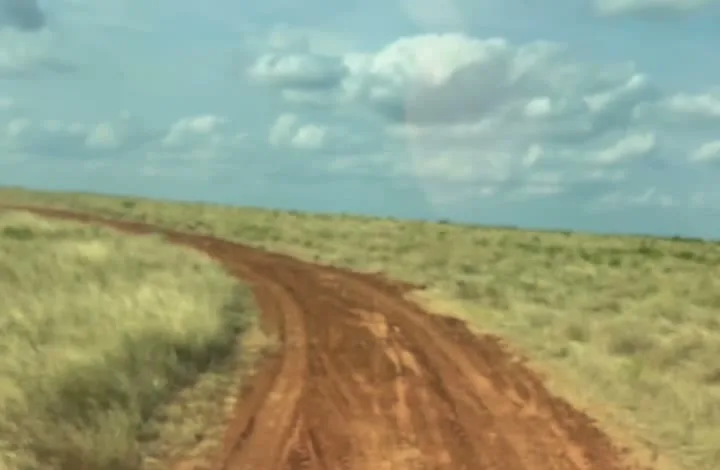
New gravel drives, ranch roads and parking pads — shaped to drain, built to carry weight, and regraded when the old one's turned to ruts.
It is on the trailer because we mean it. Ground shaped so water leaves, brush cut so it stays cut, roots dug instead of mowed over — done once, done right.
Track skid steers with a hydraulic brush cutter, a mini excavator, a tractor and a gooseneck dump trailer — sized for real land work without wrecking the ground doing it.
We walk the actual property, tell you what it needs and what it does not, and put a real number on it. Free, no obligation, and it holds unless the scope changes.
Based in Duncan and on Stephens County ground every week. Cedar, mesquite and red clay are the daily work here, and every quote comes from looking at your land in person.
Real reviews from real land clearing, dirt work and driveway jobs on Google.
Double AA Land Services… highly recommended! They are dependable, hardworking, and take pride in doing the job right. Great communication, fair pricing, and they show up when they say they will.
Had them bring rock and spread for two of our rental property driveways, exceptional work at an affordable price. Will be using them again in the future
We had a great experience with Double AA Land Service! They were professional, reliable, and did an excellent job. The work was done efficiently, and they really cared about making sure everything was done right.
Overgrown pasture, a fence line you can't find, ground that holds water, a pad or driveway that needs building? Call or send the form and we'll walk the property with you and hand you a free, straight quote — no pressure, no games.
Tell us about your project — we’ll get right back to you.